
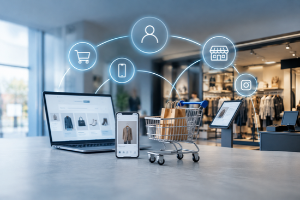
The Role of Electronic Shelf Labels in Omnichannel Retailing Blog In the retail sector, digitalization is changing consumer shopping habits while also reshaping businesses' store management, pricing, and product information processes. Consumers research products online, examine them in physical stores, and complete purchases through various channels. In this process, the consistent, up-to-date, and interoperable operation of all channels has become one of the fundamental requirements of omnichannel retailing. However, online sales channels and physical
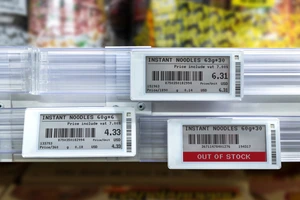
Are Electronic Shelf Labels Used Only to Display Prices? Blog When electronic shelf labels are used in a store, the first thing that usually comes to mind is price changes. Prices are updated, campaigns change, and the label is renewed accordingly. However, from a store operation perspective, the use of electronic shelf labels can be much broader. Because the shelf is one of the last points where the customer encounters the product. It also allows store employees to track product, stock, and campaign processes.
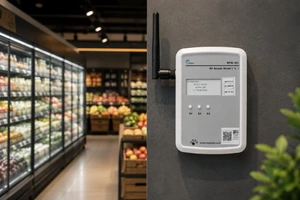
Why Should In-Store Temperature Be Continuously Monitored? Blog In the retail sector, maintaining products under the correct conditions within the store is crucial for both preserving product quality and maintaining customer satisfaction. Especially for food and other sensitive products that need to be stored in cold temperatures or within specific temperature ranges, keeping the in-store temperature conditions under control is essential. However, manual temperature checks performed only at certain times of the day can lead to sudden temperature fluctuations throughout the day.
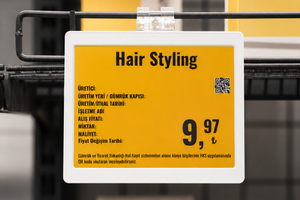
6 Ways to Increase Efficiency and Customer Experience in Retail with Smart Shelf Technologies Blog The retail sector is constantly transforming due to changing consumer expectations and increasing competition. Today, stores are not just product display areas; they are transforming into smart commerce environments that interact with customers, drive sales, and strengthen the brand experience. One of the important parts of this transformation is digital communication technologies used at the shelf level. Smart shelves, which replace traditional printed materials...