
Retail As competition in the retail sector intensifies, brands can differentiate themselves not only through product variety but also through the customer experience they offer. Even minor inconveniences within the store can directly impact consumer perception. Price confusion, unreadable labels, or price discrepancies between the checkout and shelves are among the main factors negatively affecting the shopping experience. This is where electronic price tags emerge as a strategic and technological solution that improves the store experience.
Trust is fundamental to customer experience. A discrepancy between the price displayed on the shelf and the price at the checkout creates dissatisfaction and damages trust in the store. Such negative experiences can significantly reduce the likelihood of a customer returning. Electronic price tags, which are updated instantly through centralized systems, prevent price discrepancies. This ensures customers have access to accurate and up-to-date information at every stage of the shopping process. Providing price assurance increases customer satisfaction and strengthens brand loyalty.
Traditional paper price tags can wear out, fade, or become cluttered over time, especially during busy campaign periods. Electronic price tags, on the other hand, always offer a clear, clean, and organized appearance. Information such as product price, unit price, discount rate, and campaign duration can be displayed clearly and understandably. This transparent information presentation makes it easier for customers to compare products and speeds up their purchasing decision. Quick access to information allows for more efficient use of time spent in the store.
Operational congestion during price updates can negatively impact in-store order and customer flow. Staff being preoccupied with changing shelf labels reduces the time available to customers and can lower the quality of in-store service. Electronic price tags allow for price changes to be made remotely and instantly. This prevents interruptions to in-store operations, providing customers with a faster and more convenient shopping experience. A smooth shopping process is a crucial factor that directly increases customer satisfaction.
For chain stores, consistency in customer experience is crucial. Different price perceptions across stores can damage brand credibility. Electronic price tags, thanks to a centralized management infrastructure, ensure the same pricing policy and campaign strategy are applied simultaneously across all stores. This allows customers to have the same experience regardless of the location where they shop. A consistent experience strengthens trust and loyalty to the brand.
Electronic price tags offer significant advantages not only to customers but also to store employees. By eliminating time-consuming manual tasks like changing labels, staff can dedicate more time to customers. This allows for product information, guidance, and sales advice. This strengthens the interaction between customers and store staff, making the shopping experience more engaging and personalized.
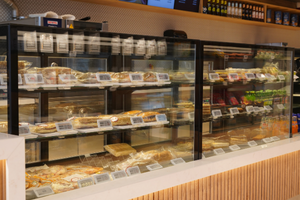
Stores that utilize technology-integrated solutions are perceived by customers as more innovative and contemporary. Electronic price tags give a store a digital identity while also demonstrating the brand's investment in technology and sustainability. This perception plays a significant role in store choice, especially for young and tech-savvy consumers.
Electronic price tags directly improve the customer experience in many areas, including price accuracy, transparent information presentation, operational efficiency, and brand perception. In the digitalized retail world, electronic price tags are a strong, sustainable, and long-term investment for stores that prioritize customer satisfaction.
The fresh food category is one of the most sensitive and rapidly managed areas of retail. Therefore, the effective use of technological infrastructure directly impacts success. Electronic shelf labels are a game-changing solution not only in terms of shelf organization but also in terms of customer experience and profitability. For both supermarket chains and independent retailers, the first step towards digitalization can begin on the shelves.