
When an electronic shelf label is used in a store, the first thing that usually comes to mind is price changes. Prices are updated, promotions change, and the label is updated accordingly.
However, from a store operations perspective, the use of electronic shelf labels could be much broader.
Because the shelf is one of the last points of contact between the customer and the product. It is also part of the physical space where store employees manage product, inventory, and campaign processes. Therefore, a small display on the shelf, when used with the right scenarios, can support both the customer experience and store operations.
In retail, prices can change throughout the day. Additionally, promotions start and end, products are moved to different categories, and certain products may need to be highlighted.
The information on the shelf needs to remain up-to-date with all these changes. However, the advantage of electronic shelf labels is not limited to the ability to make these updates.
The display on the label can be considered a touchpoint where different information can be presented according to the store's needs.
For example, instead of simply displaying the price next to a product, a QR code can be used to provide more detailed information about the product. This creates a direct link between the product in the physical store and the brand's digital content.
Not every piece of technology inside the store needs to be directly visible to the customer.
Especially in stores with a wide range of products, it can be time-consuming for employees to find specific items, arrange shelves, or locate the right product during operations.
LED displays used in electronic shelf labels can be considered for a different purpose here. Visually marking a specific product or shelf can help employees find the item they are looking for more quickly within the store.
This usage is particularly meaningful in stores that stock a large number of products.
So the same label can display price information to the customer while also supporting the store employee's operation.
In a physical store, packaging doesn't have to be the only source of information a customer uses to find a product.
Using QR codes on electronic shelf labels can direct customers to different digital content.
For example;
* Product details,
* Technical specifications,
* Usage information,
* Alternative products,
* Digital catalogs,
* Campaign details
Content such as this can be accessed via the shelf.
This approach is particularly relevant in categories where customers make their purchasing decisions within the store.
The important point here is that the QR code shouldn't be seen simply as a feature added to a label. Its real value lies in..., The goal is to create a connection between the product the customer sees on the shelf and the brand's digital experience.
In addition to QR codes, NFC technology can also expand the use cases for electronic shelf labels.
Customers or store employees can access specific digital content by physically bringing a device close to the tag.
Such applications can be configured in different ways depending on the store's own operations. Therefore, the purpose of using an electronic shelf label might not only be to "display the price," but also to **transform the physical space on the shelf into a digital interaction point**.
When a promotion starts, the price isn't the only thing that changes in the store.
Product visibility, product promotion, and ensuring customers see campaign information correctly are also part of the process.
Electronic shelf labels can support more dynamic store communication here. Pricing, promotion information, and visual guidance can be centrally managed; specific products can be highlighted with LED displays when needed.
This opens up different use cases, especially for retailers who frequently run campaigns and have numerous stores.
Not every store needs to have the same expectations from electronic shelf labels.
While a supermarket might prioritize price and promotion management, an electronics store might have more access to product information. In a large department store, the ability of employees to quickly find products might be paramount.
Therefore, when evaluating electronic shelf labels, instead of focusing solely on "how quickly does the price change?", the following questions can also be asked:
In what way could this screen make a store employee's job easier?
What information does a customer need when their phone is on the shelf?
How can a connection be established between physical stores and digital channels?
Which products or areas in the store need to be more visible?
These questions can help to more accurately determine the intended use of electronic shelf labels within a store.
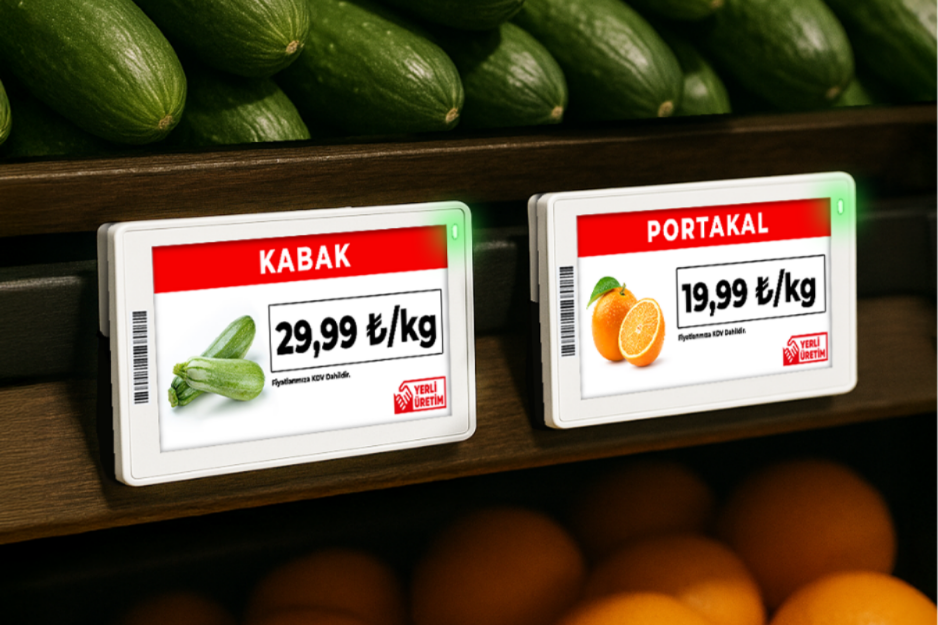
The value of electronic shelf labels goes beyond simply replacing paper labels with a digital display.
The real potential lies in the fact that this small shelf-mounted display can take on different roles within the store.
It can display prices, direct customers to digital content, make a specific product visible with LEDs, or assist store employees in their operations.
In short, the question is now "“How does an electronic shelf label display the price?”" not.
“What other purposes can we use this screen for in our store?”
When evaluating investment in electronic shelf labels in retail, starting with this question can offer a broader perspective for seeing the real-world use cases of the technology.